
If you are thinking about extending or improving your home in Exeter or elsewhere in Devon, you may be surprised by how much work can sometimes be completed without making a full planning application.
Permitted development rights allow certain alterations and extensions to houses without applying for planning permission, provided the work falls within defined limits and meets the relevant conditions.
This can include extensions, loft conversions, garden rooms, garages, porches and alterations to your home.
However, not needing a planning application does not mean there are no rules. What you can build will depend on your property, its location, previous alterations and whether any restrictions have been placed on the house.
For homeowners in Exeter and Devon, this can be particularly important due to the number of Conservation Areas, listed buildings and sensitive rural locations across the county.
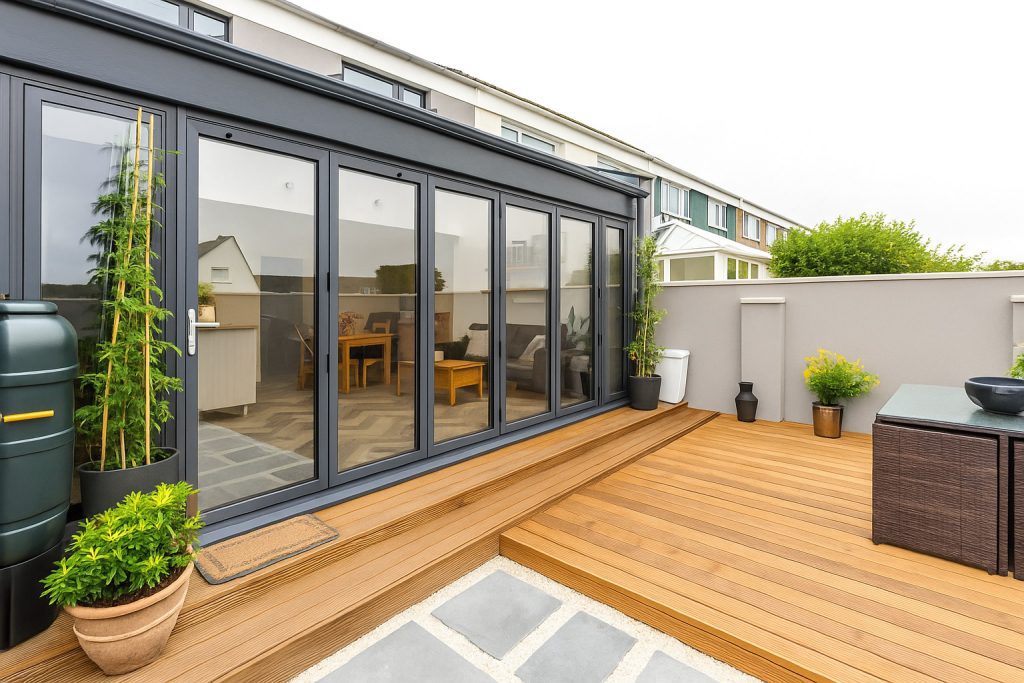
Extensions and alterations to your home
A single storey extension can often be built under permitted development rights, subject to restrictions relating to its size, height and position.
As a general principle, extensions cannot project forward of the principal elevation of the original house and additional restrictions apply close to boundaries. The amount of land around the original house that can be covered by extensions and other buildings is also controlled.
The definition of the “original house” is important. This normally means the house as it was originally built or, for older properties, as it stood on 1 July 1948. An extension built by a previous owner can therefore affect what you are able to build today.
Larger rear extensions can sometimes also be possible through permitted development, although these may require a prior approval process involving the local planning authority.
Some two storey rear extensions can also qualify, but the rules are more restrictive. For larger projects, it is often worth comparing what could be achieved through permitted development against what might be possible through a normal planning application.
Sometimes submitting a planning application can result in a much better extension than designing purely around permitted development limits.
Loft conversions, garden rooms and other projects
Loft conversions are another common form of permitted development. Subject to the relevant criteria, it may be possible to add rooflights or increase the roof volume without submitting a planning application.
For dormers and similar roof extensions, additional roof space is generally limited to 40 cubic metres for terraced houses and 50 cubic metres for detached and semi detached houses. There are also restrictions relating to height, position, materials and overlooking.
Garden rooms, garages, workshops and sheds can also often be built without planning permission. Their position, height and the amount of garden they occupy are controlled.
How the building will be used is equally important. A home office, gym, workshop or domestic storage building may fall within permitted development rights. Creating a separate house or independent residential accommodation within the garden is a very different planning matter.
Small porches can also be permitted development. Generally, the external ground area must not exceed 3 square metres and the porch must not exceed 3 metres in height, with further restrictions where it is close to a highway.
Solar panels and some other energy improvements can also benefit from permitted development rights, although additional restrictions may apply to listed buildings and properties in sensitive locations.
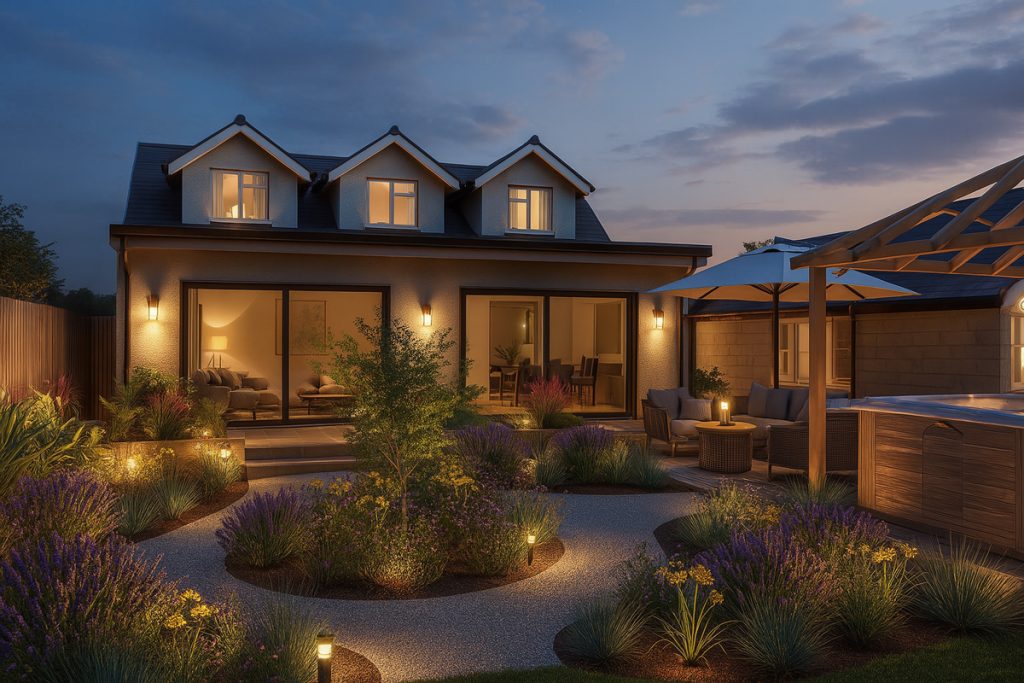
Permitted development in Exeter and Devon
The basic permitted development rules are set nationally across England, but local circumstances can make a significant difference.
Exeter contains numerous Conservation Areas and a rich collection of historic buildings. Across wider Devon there are also National Parks, National Landscapes, listed buildings and many sensitive rural locations.
Living within a Conservation Area does not automatically remove every permitted development right, but additional restrictions can apply. Certain extensions, roof alterations, materials and outbuildings that might be permitted elsewhere could require planning permission.
Local authorities can also introduce Article 4 Directions which remove specific permitted development rights within defined areas.
Previous planning permissions are another important consideration. A condition attached to the original permission for a house may have removed some or all of its permitted development rights.
This means two apparently similar houses in Exeter or Devon could have very different planning requirements.
The same applies to homes within Dartmoor National Park and other designated landscapes. Permitted development may be more restricted and proposals requiring planning permission are likely to receive greater consideration in terms of their scale, materials, landscape impact and architectural character.
Listed buildings require particular care. Planning permission and Listed Building Consent are separate matters, so work that does not require planning permission could still require Listed Building Consent.
It is also worth remembering that the householder permitted development rights discussed here generally apply to houses. Flats and maisonettes do not benefit from the same rights for many alterations.
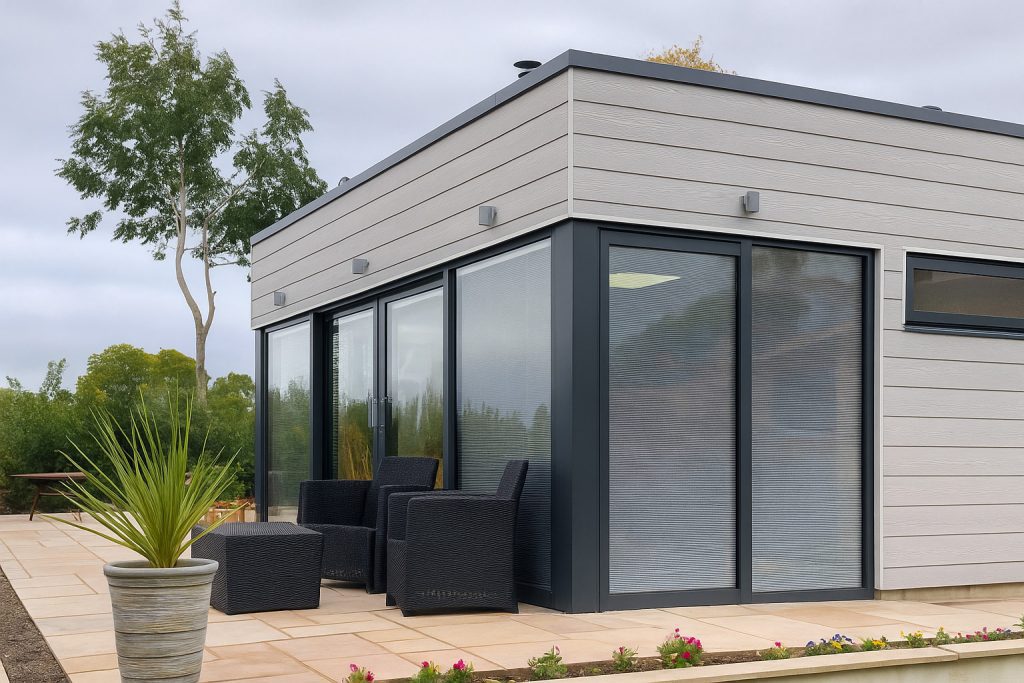
Should you apply for a Lawful Development Certificate?
One of the first things we recommend checking is the planning history of the property. This can establish whether permitted development rights have previously been removed and identify extensions or alterations that could affect what can now be built.
Even where planning permission is not required, it can be sensible to apply for a Lawful Development Certificate.
This provides formal confirmation from the local planning authority that the proposed work is lawful. It gives greater certainty before construction starts and creates a useful formal record when the property is eventually sold.
It is also important to remember that permitted development and Building Regulations are separate. An extension or loft conversion may not require planning permission but could still require Building Regulations approval, structural calculations and potentially Party Wall advice.
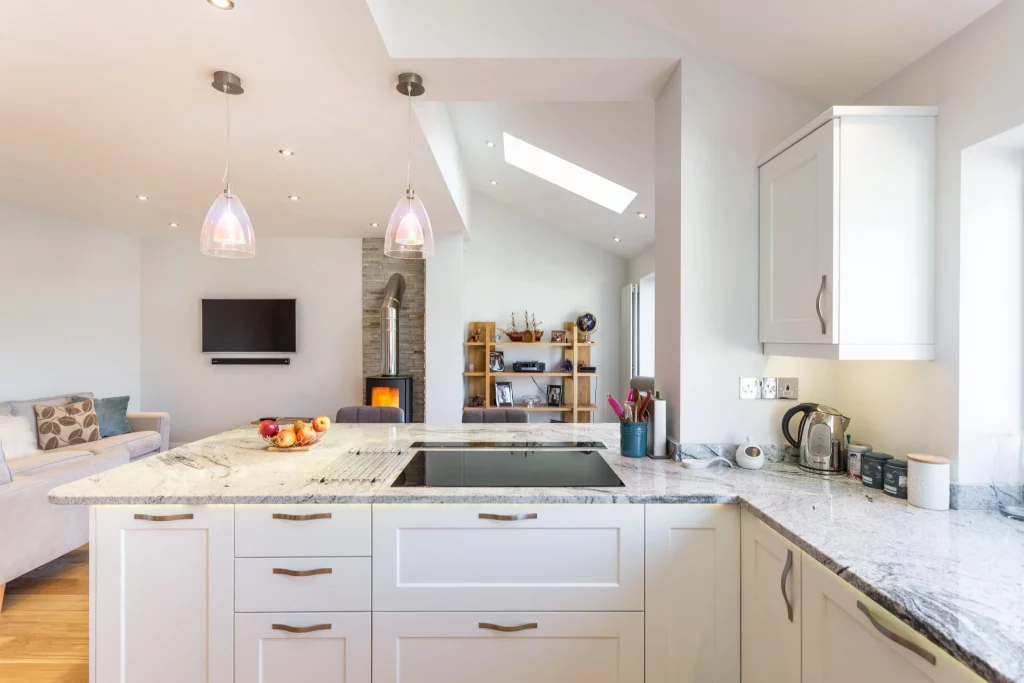
Planning a project in Exeter or Devon?
Permitted development can provide a straightforward route for extending or improving a home, but it should not necessarily dictate the design.
Sometimes the best solution sits comfortably within permitted development rights. In other cases, making a planning application can allow a better layout, more appropriate scale or stronger relationship between the house and garden.
At Co Create Architects, we work with homeowners across Exeter and Devon on extensions, renovations, loft conversions and new homes.
We can review your property and its planning history, establish the relevant constraints and help determine whether your project could be completed under permitted development rights or whether a planning application would provide a better result.
Getting the planning strategy right at the start can save time later and allow the design to focus on creating the best home possible, rather than simply designing around planning limits.